

How We Doubled Revenue for an Entertainment Business as It Grew to Two Venues (Without Doubling Ad Spend)
Game Over Calgary's summer revenue rose 108% year over year as it grew from one escape-room venue to two, run from one ad account without doubling spend. The audience we found, the seasonal calendar, the website fixes, and how the new venue out-earned the first within 24 days.


In 2024, we took over the digital marketing for Game Over, a growing entertainment venue in Calgary. One location. No prior tracking setup. No conversion data. No agency history. Just a business ready to grow and a completely clean slate.
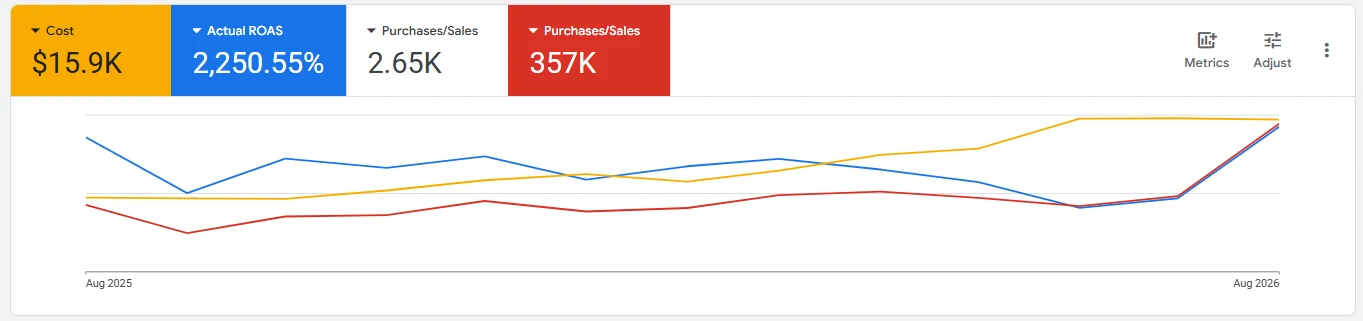
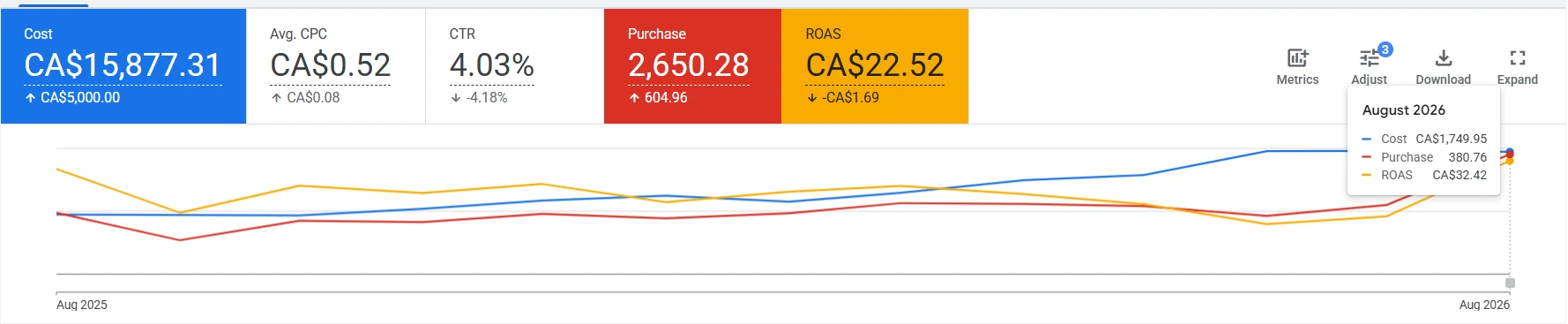
Over the next 12 months, we built a paid media strategy across Google and Meta, fixed the website, ran seasonal campaigns timed to Calgary's calendar, and prepared the infrastructure to open a second location without rebuilding from scratch. Summer revenue more than doubled year over year as Game Over grew from one venue to two, on the same ad account and without doubling the ad budget. Ad spend reached a peak 30× return in August 2026.
Here is the full story.
Why Most Entertainment Businesses Are Spending Money on the Wrong Audience
The first months of any campaign are the most expensive. You are paying to learn. The question is whether you learn fast enough to act on it.
What we assumed
- Broad adult demographic across Calgary
- Couples and families looking for a fun night out
- Standard interest-based targeting for entertainment venues
What the data actually showed
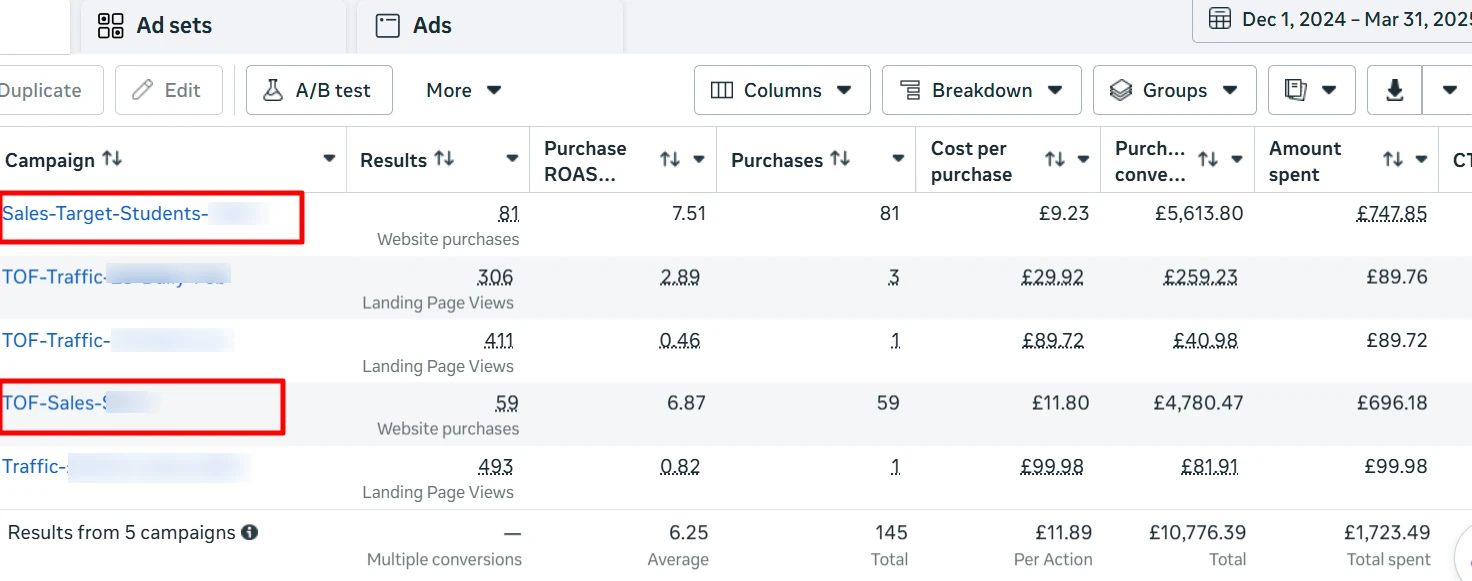
- University and college students were the highest-converting group
- They booked in groups of four or more, so a higher average booking value
- Lower cost to acquire than any other segment we tested
- Consistent performance across both Google and Meta
What we changed
- Shifted to group-intent signals and university-area geo-targeting
- Built creative around the "come with your group" occasion, not the activity
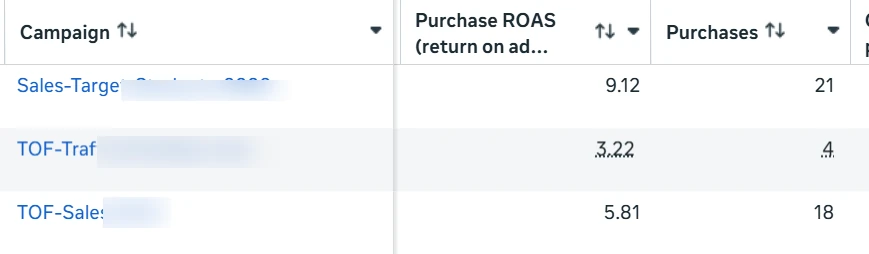
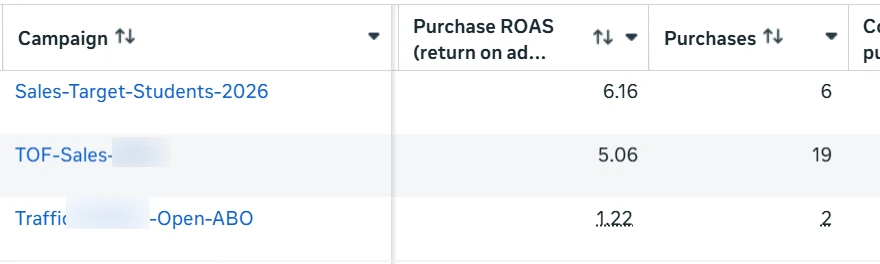
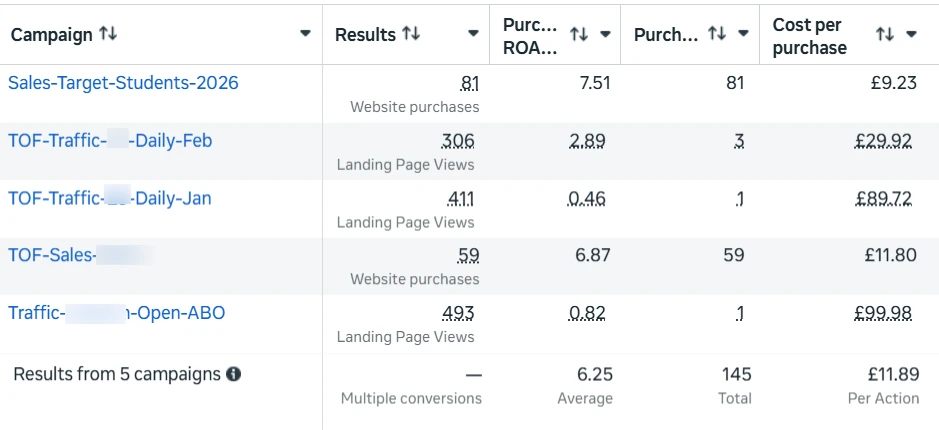
- Launched a dedicated student campaign on Meta. It became the top performer
The takeaway: For entertainment venues including escape rooms, ax throwing, bowling, and laser tag, the highest-converting audience is almost never the first assumption. Build testing time into the first 60 days before scaling anything.
Get a free audit of your Google Ads account
We review your campaign structure, targeting, and spend efficiency at no cost.
Get the Free AuditHow to Build a Google Ads and Meta Ads Strategy for an Entertainment Business
Most entertainment businesses run Google and Meta as two separate experiments. They should not be. Each channel does a different job and they compound when built to work together.
Google Ads: search intent first, then scale
We started with Brand Search campaigns to capture people already looking for the venue and ready to book. This builds the conversion history that makes Performance Max smarter when you add it later.
After establishing Brand Search, we layered in Performance Max for broader reach. Both ran from a single account, with no duplicated budgets, which meant adding the second location later was a geo-targeting adjustment, not a rebuild.
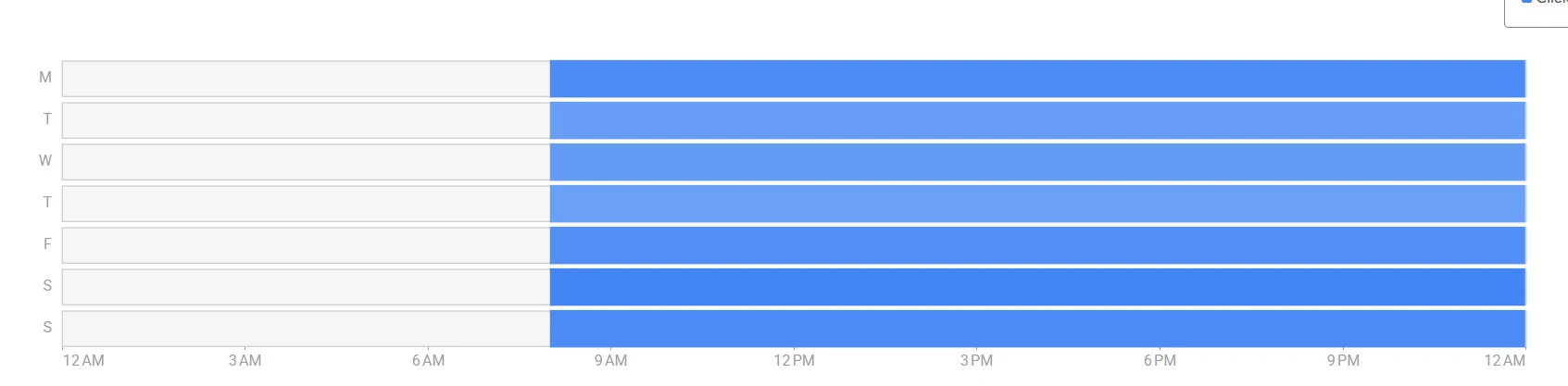
One high-impact, low-effort change: we removed the midnight to 9 AM time slot from all campaigns. Nobody books entertainment before the sun rises. Cutting those hours reduced wasted spend without touching a single headline or audience setting.
Is Meta Ads worth it for entertainment businesses? Here is what we learned.
Most agencies run Meta as a pure awareness play and never push it further. We started there too, but that is only half the story.
Build the pixel, build the audience
- Launched with brand awareness campaigns to gather data
- Built up the pixel with real venue visitors and bookers
- Identified student and group audiences through early signals
- CA$400/month average spend, a safe starting point if your venue does CA$100K+ in monthly revenue
Turn on sales campaigns
- Once the pixel had enough purchase data, we switched to sales-objective campaigns
- Targeted warm audiences built from the awareness phase
- Conversion costs dropped immediately. The pixel knew who to find
- Peak ROAS hit 13.7× on the same lean budget
The sequence matters: Running a sales campaign on a cold pixel is expensive and slow. Build the audience first. Once the pixel is trained, the sales campaign crushes it.
The creative that worked across both phases was simple: real moments from inside the venue. Groups mid-game. Candid reactions. Short walkthrough clips. Entertainment sells itself when you stop trying to oversell it.
How Seasonal Marketing Increases Revenue for Entertainment Businesses
Entertainment venues have a built-in advantage in seasonal marketing. Every major holiday or local event is a reason for a group to get together, and your venue is the answer to "where do we go?"
Most businesses know this and run something for the big occasions. The ones that compound it are the ones that treat every occasion as a full campaign, not just a creative swap or a social post.
Each occasion got a dedicated creative, purpose-built messaging, and campaigns that ramped 10 to 14 days before the date. When tested head-to-head, occasion-specific creatives outperformed generic creatives every time.




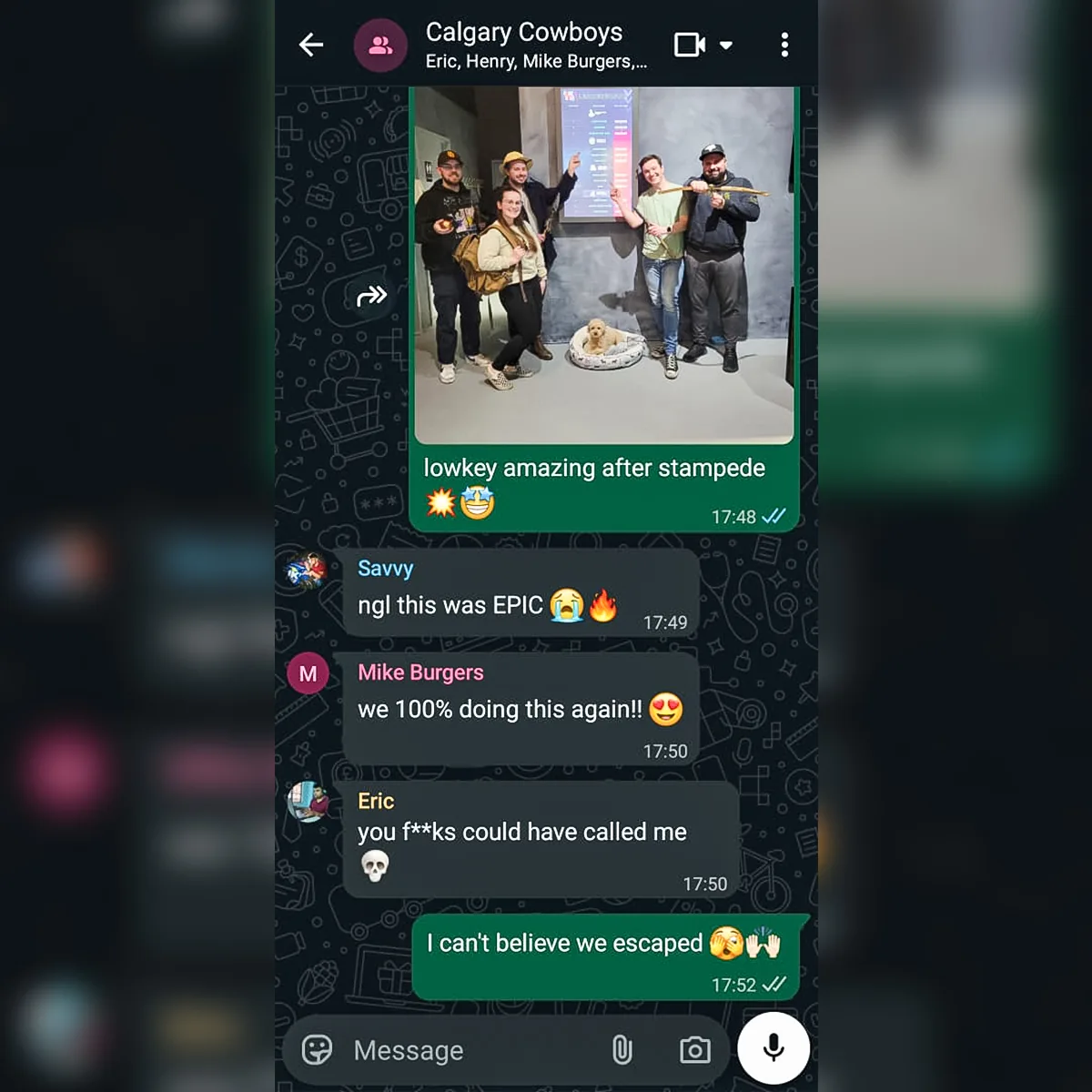

The Calgary Stampede and Canada Day creatives were especially strong because they leaned into local identity. The Stampede creative used real customer WhatsApp messages reacting to a post-Stampede visit. Authentic social proof, no production cost. The Canada Day creative used an Instagram-style frame with the same candid energy. Both outperformed polished generic ads in the same period.
The pattern across every occasion: venues that outperform are not doing something their competitors cannot. They are showing up with the right message at the right moment, consistently, and early enough that the audience is already warm by the time the date arrives.
How to Fix Your Website to Increase Revenue Without Increasing Ad Spend
Driving paid traffic to a broken booking funnel is one of the most expensive mistakes an entertainment business can make. Before scaling the ad budget, we ran a full website and conversion audit.
The issues ranged from slow mobile load times and a buried booking CTA to a multi-step checkout losing people halfway through. Nothing exotic. But when you fix 18 conversion blockers at once, the improvement compounds.
Because this is a franchise, every fix we made applied to every location in the network. Work done for Calgary had a multiplier effect across the entire brand globally.
- Page load speed optimized for mobile users
- Booking CTA repositioned above the fold on all game pages
- Mobile booking flow reduced to fewer steps
- Trust signals added near the booking confirmation step
- Google Business Profile fully optimized for local search
Why October Is the Highest Revenue Month for Entertainment Businesses
If October is not your best month, it is a campaign timing problem, not a product problem. Here is why the math always works in October:
- Halloween runs the whole month, not one night. Groups plan ahead. Venues that show up with urgency messaging in week one fill calendars before week three even starts.
- Groups book larger tables in October. The "bring your whole squad" occasion naturally drives party sizes of 6 to 10, increasing average booking value without touching your pricing.
- Limited availability converts harder in October than any other month. "Only 3 slots left this Saturday" lands differently when the date is tied to Halloween than when it is a random Wednesday in March.
- Student audiences peak in late September and early October. Back-to-school energy, new friend groups, and social activities align exactly with the Halloween window.
- Urgency-based creative outperforms generic creative by the widest margin of the year. The occasion gives you a natural deadline. Most venues waste it with a generic discount. The right frame is exclusivity and experience, not price.
The rule: Your Halloween audience should already be warm by October 1. That means campaign launch in mid-September. Start warm, stay warm, convert in October.
October 2025 bookings ramp-up
Bookings jumped from September to October as Halloween approached, and Google Ads purchases rose 68% at a lower cost per purchase. The campaign was already running before October started.
Year-over-year: fewer bookings, more value per booking
Fewer total bookings. Higher revenue per booking. Same market, stronger funnel. That is the seasonal strategy working exactly as intended: attracting higher-value group bookings rather than discounting for volume.
How to Open a Second Location Without Doubling Your Ad Spend
On July 7, 2026, Game Over opened its second Calgary location in the southeast. Every multi-location operator faces the same question at that moment: do you double the ad budget?
We did not. Because the Google and Meta infrastructure was built as a single account from day one, adding location two meant extending geo-targeting, not rebuilding anything. No new campaigns. No new learning phase. No wasted spend.
The proof: 24 days vs. a full month
The SE location opened July 7. Here is what it did in its first 24 days, compared to the established North East location running a full 31-day month:
A brand new venue, in 24 days, generated 5% more than an established location made in a full month. That does not happen by accident. It happens when the infrastructure is ready before the doors open.
Summer revenue, year over year
Jul + Aug 2025 (one location) vs. Jul + Aug 2026 (two locations):
Same ad infrastructure. Same channels. Same budget efficiency. The second location amplified what was already working, rather than starting from zero.
The Results: Up to 30× ROAS Across 10 Months
Monthly Google Ads return on ad spend from November 2025 through August 2026. Not a straight line. An upward trend with seasonal peaks, a post-holiday dip in the new year, and a summer that hit a new record.
ROAS dipped in June and July 2026, the months the SE location was being opened and added to the account. August 2026 is the first full month with both locations properly measured, which is why it shows the true combined performance peak.
Consistent returns between 14× and 30×, with the strongest performance during Q4 and peak summer months.

6 Lessons for Growing an Entertainment Business with Paid Ads
Three from Google. Three from Meta. All applicable to any entertainment venue at any stage of growth.
Start with Brand Search before expanding reach
- Captures people actively searching for you. They are already ready to book
- Builds the conversion history that trains Performance Max before you add it
- Lowest CPA of any campaign type in the first 60 days
Cut dead hours from your ad schedule
- Pull your hourly performance data after 30 days and look for hours with spend and zero conversions
- Entertainment bookings happen 9 AM to midnight. Midnight to 9 AM is pure waste
- Zero creative changes required. Instant spend reduction.
One account for multiple locations, always
- Add location 2 as geo-targeting within the same account, not a new account
- Your conversion history stays intact, so no fresh learning phase
- SE Calgary out-earned the established North East location within its first 24 days
Find the right audience before scaling the creative
- We identified the right audience before we found the right ad: students and group buyers, not broad adults
- Student and group segments outperformed broad audiences by 3 to 5×
- When the targeting is right, every creative improvement multiplies
Lean Meta budgets can produce outsized returns
- CA$400 per month. Peak ROAS of 13.7×. Meta does not require large spend
- Phase 1: build the pixel with awareness campaigns. Phase 2: switch to sales once the pixel is trained
- The pixel phase is not optional. Skipping it means expensive and slow sales campaigns
Launch seasonal creative three weeks before the date
- Your Halloween audience should be warm before October starts, so campaigns launch in mid-September
- Audience warm-up weeks convert cheaper than last-minute urgency pushes
- The same three-week rule applies to every occasion: Christmas, Valentine's Day, Stampede, Canada Day
The common thread: none of this required an outsized budget. The results came from the right structure, the right audience, and consistent execution around Calgary's seasonal calendar. Strategy and timing, not spend.
Still Paying CA$25+ Per Booking?
We review your Google Ads, Meta Ads, and website at no cost and tell you exactly what to fix first.